Introduction
Commercial farming on an industrial scale demands strict control over your space. Modern controlled environment agriculture has changed the farming landscape of California. It gives growers higher precision and control than ever before. Farms must shift to smarter techs if they want profitable harvests and a strong edge in a tough market.
CEA Definition
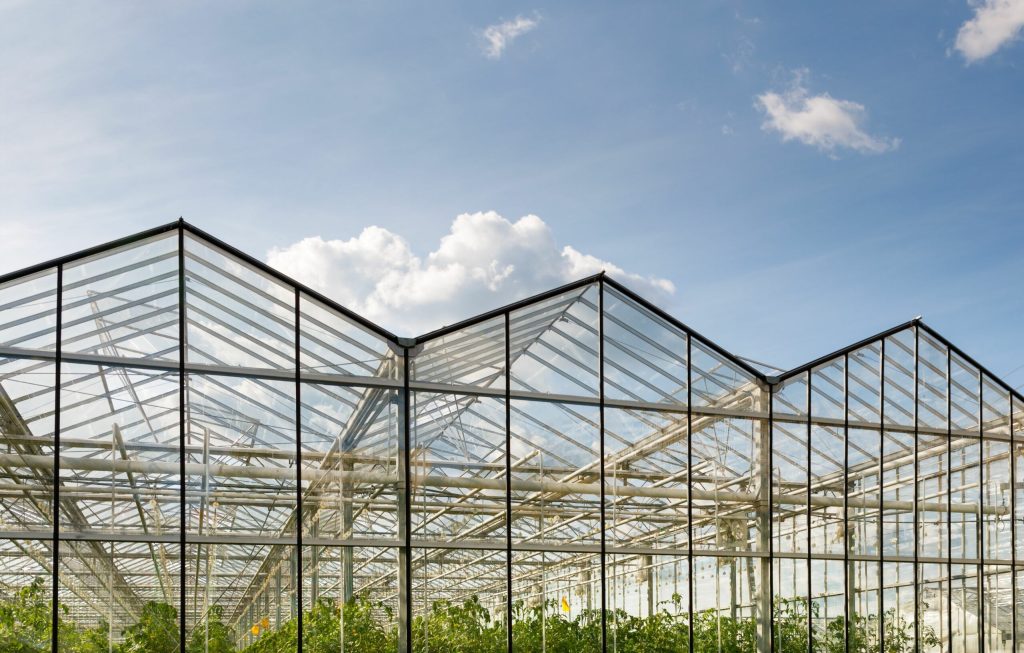
What is controlled environment agriculture? It is a unique way to grow crops inside safe, enclosed spaces. These include greenhouses and indoor rooms.
These advanced spaces use smart tools to manage heat, light, water, and plant nutrients. At the same time, they lock out harsh outdoor weather. This system lets growers yield top crops all year, no matter the season.
The Economics of CEA in Modern Farming
Traditional outdoor farming faces different factors such as bad weather, shifting seasons and even exposure to pests. This causes poor crop yields and wild cash flow swings for growers. Advanced CEA facilities stop this cycle. They allow crop growth regardless of the seasonal changes or external climate conditions.
When you precisely control the indoor space, you get steady harvests all year. This trust builds strong financial returns and beats out field farming. Scaling up industrial farms gets much safer when harvest size and timing are locked in.
Steady yields also help farms lock in solid supply deals with major buyers. Cutting out seasonal gaps protects profit margins. Beyond seasonal safety, smooth production cycles erase the common risks of late frosts, heat waves, and pest shifts. This cash stability lets owners secure long-term funds and grow with ease. In the end, controlled environment agriculture turns farming into a steady, high-yield business.
Core Infrastructure Components
Building a strong controlled environment agriculture site takes tough machines and smart controls. These systems work as one to command the indoor climate. Every single part must handle heavy commercial use and high accuracy.
Hydroponic Loops
Hydroponic systems swap dirt for water-based plant nutrients. This setup feeds key minerals right to the roots. It stops soil diseases and speeds up plant growth. Growers can make quick shifts to plant nutrients across large blocks.
These fast shifts optimize nutrient uptake at each stage. Growers can adjust parts-per-million (PPM) levels at once to match crop needs. This control maxes out yield per square foot. Plus, dropping soil acts as a natural shield against soil bugs, cutting down chemical treatments and hand weeding work.
Boilers and Root Heating
High-efficiency boilers push steady heat through pipe networks. This gear keeps your site at exact target temperatures year-round. Steady heat stops the plant shock caused by shifting air temps.
Root-zone heating boosts plant metabolism right at the source. Warming the root mass uses less power than heating an entire room. This targeted heat speeds up cell growth while cutting utility bills. By placing thermal energy right where plants take it in, industrial sites skip the massive energy waste tied to old forced-air heaters.
Airflow and Humidity
Ventilation systems manage indoor air exchange to balance oxygen and carbon dioxide levels. Good airflow stops dead air pockets that cause mold and disease. Clean air movement is a must for healthy crops.
Motorized vents and fast fans stop damp pockets from forming in the canopy. Stopping excess moisture guards your site from crop rot. These parts tie right into your climate plan in damp zones. Keeping constant air speed also makes sure that carbon dioxide hits every leaf surface evenly, stopping nutrient starvation within dense canopy blocks.
Running the Room with Automation
Smart tech turns static grow rooms into active ecosystems. Automation stops human error and gives steady care to delicate high-value crops.
Real-Time Sensors
Continuous sensors track vital environmental variables across every zone. These precision devices measure heat, humidity, and vapor pressure deficit (VPD) instantly. Live data gives growers full visibility down to the square meter, boosting the power of your HVAC systems.
Raw data turns into fast insights for managers and control loops. Quick data processing lets the site act early before small shifts turn into major crop problems. This constant feedback loop removes the blind spots of manual checks, ensuring total control.
Closed-Loop Feedback
Automated controlled environment agriculture systems stop the wild temperature and humidity swings of manual checks. The control system checks the result of every mechanical move at once. This loop locks indoor conditions right onto your targets.
Absolute stability brings out the best performance in your crops. Plants thrive when free from environmental stress. Precision automation is the key to elite, repeatable harvest quality. When climate variables stay locked down, plant energy goes straight into flower and mass growth instead of stress defense.
Future-Proofing Your Facility
Matching your mechanical design to specific crop needs is vital for long-term success. Every plant variety needs a unique recipe for heat, humidity, and root warmth. Your infrastructure must deliver these targets without delay.
Using modular hardware lets your facility expand easily over time. You can add new indoor climate systems as your footprint grows. Smart planning stops expensive, messy retrofits down the road. Forward-looking facility design ensures that as utility caps shift or market needs change, your mechanical setup can scale out without a total teardown of existing utility layouts.
Expert Engineering and Design
Designing a modern controlled environment agriculture facility takes specialized skills beyond basic HVAC work. Getting the balance of root heating, airflow, and automated loops right demands exact math and deep industry experience. A poor climate system leads to chronic waste, uneven crops, and high utility bills.
Partnering with seasoned pros ensures your setup is built for high biological yield and energy savings. BioTherm Solutions brings decades of engineering skill to every greenhouse project, delivering custom climate and root solutions. Our approach helps growers turn complex challenges into reliable engines for growth.